
Views: 0 Author: Site Editor Publish Time: 2026-01-08 Origin: Site
When designing Printed Circuit Boards (PCBs), choosing the right components is crucial for ensuring optimal performance, longevity, and ease of maintenance. Among these components, the pluggable terminal block plays an essential role in providing secure and reliable electrical connections. This blog will guide you on how to choose the right pluggable terminal block for PCB applications, covering key factors such as voltage, current ratings, size, material, and connection types. By understanding these considerations, you’ll be able to make informed decisions that will enhance your PCB designs.
A pluggable terminal block is a type of electrical connector that allows for quick and easy connections and disconnections. This modular design is particularly advantageous in PCB applications where maintenance, testing, and reconfiguration may be required. With the ability to be easily inserted and removed, these terminal blocks significantly improve flexibility, reduce installation time, and make repairs or upgrades simpler. Whether you’re working on industrial control systems, power distribution boards, or automated machinery, the right pluggable terminal block can optimize both performance and ease of use.
Before diving into the process of choosing the right pluggable terminal block, let’s first understand what it is and how it functions in PCB applications.
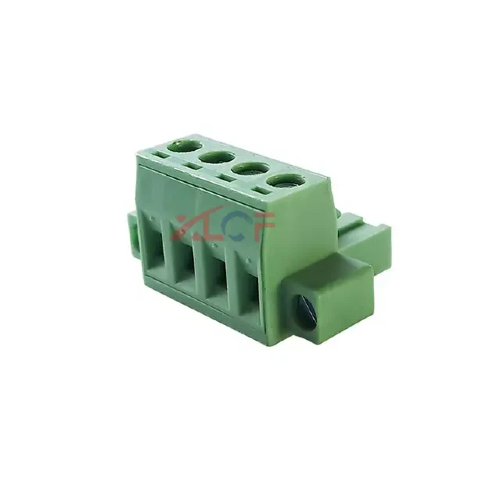
A pluggable terminal block consists of two primary components: the male connector (or plug) and the female connector (or socket). The male component is mounted on a PCB, while the female component is attached to a wire or cable. When the two components are inserted into each other, they form a secure electrical connection. The modular design allows users to easily disconnect the wires for maintenance or replacement, which is a major advantage over traditional, hard-wired connectors.
Quick and Easy Connections: Pluggable terminal blocks allow for fast installation and removal, making them ideal for applications that require frequent maintenance.
Modular Design: The modularity of pluggable terminal blocks makes it easier to swap out parts or make adjustments to the design without significant downtime.
Compact Size: These terminal blocks are designed to be compact, which is especially important in PCB applications where space is often limited.
Secure and Reliable Connections: Despite their modular design, pluggable terminal blocks provide a robust electrical connection, ensuring reliable signal and power transfer.
Choosing the right pluggable terminal block for PCB applications involves more than just picking any connector. Several factors need to be considered to ensure that the terminal block is compatible with the PCB and the electrical requirements of the system.
One of the most critical aspects to consider when selecting a pluggable terminal block is its voltage and current rating. These ratings determine the maximum electrical load the terminal block can handle safely without overheating or malfunctioning.
Voltage Rating: Ensure the terminal block’s voltage rating matches the voltage of your circuit. Using a terminal block with a lower voltage rating than required can result in electrical failure or hazards.
Current Rating: Similarly, the current rating of the terminal block must align with the current your PCB will carry. Too much current can cause the terminal block to overheat or become damaged, leading to system failure.
Choosing the correct voltage and current rating is essential for maintaining safety and performance in your PCB application.
The size and form factor of the pluggable terminal block should match the available space on the PCB. Different terminal blocks come in various shapes and sizes, including options for both low and high-density configurations. When selecting the terminal block, consider the following:
Available PCB Space: Ensure that the terminal block fits within the dimensions of the PCB design.
Pin Count: The number of pins in the terminal block should match the number of connections required for your circuit. Having more pins than necessary can lead to unnecessary complexity, while fewer pins could result in insufficient connections.
Connection Density: For high-density PCB designs, select a compact, high-density terminal block that minimizes the footprint while still providing reliable connections.
The material of the pluggable terminal block is critical for both its electrical performance and longevity. Materials like brass and copper are commonly used for their excellent conductivity and durability. Additionally, the housing of the terminal block, which is usually made of thermoplastic materials, should be chosen based on the environment in which the terminal block will be used.
Conductivity: Copper and brass offer the best conductivity for electrical connections.
Corrosion Resistance: In environments with high humidity or exposure to chemicals, choose terminal blocks made from corrosion-resistant materials.
Temperature Resistance: Consider the operating temperature range of the terminal block material to ensure it can handle the heat generated by electrical currents.
There are various types of connections available for pluggable terminal blocks, each with its own advantages. The most common connection types include:
Screw-Type Connection: This traditional connection type uses screws to secure the wire to the terminal block. It provides a very reliable connection, but it can be slower to install and remove compared to other methods.
Spring-Clamp Connection: This type uses a spring mechanism to clamp the wire into place, offering a quicker and more secure connection. It is often preferred for applications requiring frequent maintenance or modification.
Push-In Connection: Push-in terminal blocks allow for even faster installation, as wires can be inserted without the need for tools, making them ideal for high-speed assembly lines.
Depending on the application, environmental factors such as temperature, moisture, vibration, and exposure to chemicals must be considered when selecting the pluggable terminal block.
Temperature Range: Choose terminal blocks that can withstand the temperature extremes of your application.
Vibration Resistance: For applications in environments with significant vibration (e.g., industrial machinery), look for terminal blocks with locking mechanisms or designs that prevent the connectors from loosening.
Moisture Resistance: For outdoor or marine environments, opt for terminal blocks with an appropriate IP rating to protect against water and dust ingress.
Once you’ve selected the appropriate pluggable terminal block based on the above factors, the next step is to integrate it properly into the PCB layout.
The beauty of pluggable terminal blocks lies in their modularity, which allows for flexible designs. This feature enables users to arrange the blocks in a way that saves valuable PCB space while ensuring that each component is easily accessible for maintenance.
Placement Considerations: Ensure the terminal block is placed where it can be easily accessed for wiring, connections, and disconnections.
Modular Design: Choose terminal blocks that can be swapped out or adjusted as needed without requiring significant redesigns or additional wiring.
When placing terminal blocks on a PCB, it is essential to consider both accessibility and functionality. Position the terminal blocks in such a way that they do not interfere with other components and that they align with the desired wiring scheme.
Alignment with Other Components: Ensure that the terminal blocks are placed far enough from heat-sensitive components or areas prone to vibration.
Ease of Access: Terminal blocks should be positioned in such a way that wires can be easily connected and disconnected, minimizing the risk of damage to the PCB or terminal block during installation or maintenance.
Proper installation ensures the longevity and performance of your pluggable terminal block and the overall PCB. Below are key tips for installing these components:
Pluggable terminal blocks are typically soldered onto the PCB during assembly. It is important to follow best practices for soldering to avoid damaging the terminal block or the PCB.
Use the Right Soldering Iron Tip: Ensure that the soldering iron has a fine tip for precision soldering around the terminal block.
Correct Temperature: Too high or too low a temperature can damage the terminal block’s pins or cause poor solder joints.
Avoid Excessive Heat: Prolonged exposure to high heat can damage the plastic housing or degrade the performance of the terminal block.
Incorrect Orientation: Ensure that the terminal block is properly aligned with the PCB’s footprint.
Soldering Errors: Improper soldering can cause poor electrical connections or shorts, leading to malfunctioning circuits.
Over-tightening: When using screw-type terminal blocks, avoid over-tightening the screws as this can strip the threads or damage the terminal block.
After installing the pluggable terminal block, it’s crucial to test the connections to ensure they function properly and meet the required electrical specifications.
Test Type | Purpose | How to Conduct |
Continuity Testing | Ensure no breaks in the electrical path | Use a multimeter to check for continuity across all pins. |
Load Testing | Verify the terminal block can handle the load | Apply the expected load and monitor for overheating or electrical failure. |
Voltage and Current Checks | Ensure correct electrical parameters are maintained | Use a voltmeter and ammeter to measure voltage and current across the terminal block. |
Choosing the right pluggable terminal block for your PCB applications is crucial for ensuring reliable electrical connections, ease of maintenance, and long-term performance. By considering key factors such as voltage, current ratings, size, material, and environmental conditions, we can help you make an informed decision that perfectly aligns with your project needs. Additionally, proper installation and thorough testing are vital to ensuring the terminal block functions effectively and meets your expectations.
At Dongguan Xinlian Chuangfu New Energy Technology Co., Ltd., we specialize in providing high-quality pluggable terminal blocks designed to meet the demanding requirements of various industries. With our expertise in electrical components and PCB design, we can guide you in selecting the best terminal blocks for your specific application. Our team is ready to assist you with product recommendations, technical support, and custom solutions tailored to your needs. Don’t hesitate to get in touch with us for further assistance and ensure your PCB projects run smoothly and efficiently.
Q1: What are the most common applications of pluggable terminal blocks in PCB design?
A1: Pluggable terminal blocks are commonly used in industrial automation, power distribution systems, and consumer electronics. They are ideal for providing secure and easily maintainable connections in circuits where frequent changes or maintenance are necessary.
Q2: How do I determine the right voltage and current rating for my PCB’s terminal block?
A2: Ensure that the voltage and current rating of the terminal block exceeds the expected load of your circuit. Always select a terminal block with ratings that align with your power specifications to prevent overheating or electrical failure.
Q3: Can I use pluggable terminal blocks for high-frequency PCB applications?
A3: Yes, pluggable terminal blocks can be used for high-frequency applications. However, it's crucial to choose terminal blocks made from materials that minimize signal loss and ensure the connections remain stable at high frequencies.
Q4: What factors influence the lifespan of a pluggable terminal block?
A4: The lifespan of a pluggable terminal block is influenced by factors like material quality, the amount of electrical load it carries, the operating environment (temperature, humidity, etc.), and the frequency of maintenance or disconnection.
Q5: Are pluggable terminal blocks suitable for outdoor or harsh environments?
A5: Yes, many pluggable terminal blocks come with environmental protection ratings such as IP67, making them suitable for outdoor or harsh environments where exposure to dust, water, or chemicals is a concern.


