
Views: 0 Author: Site Editor Publish Time: 2025-12-12 Origin: Site
When it comes to electrical wiring and connection management, choosing the right components is crucial to ensuring safety, reliability, and efficiency. One essential component in electrical systems, particularly in industrial settings, is the barrier terminal block. Barrier terminal blocks are widely used for their ability to safely and securely connect electrical wires, while also isolating circuits to prevent shorts or other electrical issues.
In this article, we’ll dive into the details of barrier terminal blocks, explain their role in electrical systems, and provide a comprehensive guide on how to choose the right barrier terminal block for your needs. Whether you're working on a new installation or upgrading an existing system, understanding the key features and factors to consider when selecting a barrier terminal block will help ensure the success of your electrical project.
A barrier terminal block is an electrical connector used to join multiple wires together, ensuring a secure and stable electrical connection. These terminal blocks are typically mounted on a panel and provide a safe way to organize and manage electrical connections.
Barrier terminal blocks are particularly valuable in applications where there is a need for separation between different circuits. The “barrier” in the name refers to the physical barriers that separate individual connections within the terminal block, which helps prevent accidental shorts or cross-wiring. They are commonly used in industrial control panels, machinery wiring, and other electrical installations where multiple circuits need to be connected in a safe and organized manner.
Durability: Designed to withstand harsh conditions, barrier terminal blocks are often made from materials like thermoplastic or polycarbonate to provide long-lasting durability.
Secure Wiring: Barrier terminal blocks secure wires in place, ensuring a reliable and stable connection, which is essential for the safety and functionality of electrical systems.
Versatility: These blocks are versatile and can be used in various applications, including control systems, automotive wiring, and power distribution.
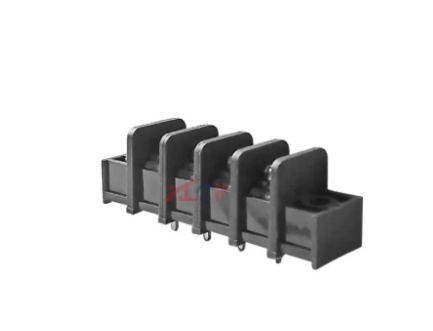
The current and voltage ratings of the barrier terminal block are critical factors in ensuring that the component can safely handle the electrical load of your system. Choosing a terminal block with insufficient current or voltage ratings could result in overheating, malfunction, or even failure of the electrical system.
Current Rating: This refers to the maximum current that the terminal block can safely carry. It’s essential to match the terminal block’s current rating with the electrical load your system requires.
Voltage Rating: The voltage rating indicates the maximum voltage that the terminal block can safely handle. It is important to choose a terminal block with a voltage rating equal to or greater than the voltage present in your circuit.
Specification | Description |
Current Rating | The maximum current the terminal block can safely handle. |
Voltage Rating | The maximum voltage the terminal block can withstand. |
Barrier terminal blocks come in various sizes to accommodate different wire gauges. It’s essential to choose a terminal block that is compatible with the wire size you intend to use. The wrong wire gauge can result in poor connections or even pose a fire hazard.
Wire Gauge: The wire gauge refers to the thickness of the wire. Common wire gauges used with barrier terminal blocks range from 22 AWG (small wires) to 10 AWG (larger wires). Check the specifications of the terminal block to ensure it fits the gauge of wire you will be using.
Stranded vs. Solid Wire: Some terminal blocks are designed to work with solid wires, while others are designed for stranded wires. Be sure to choose a terminal block that matches the type of wire you are using for optimal performance.
Wire Type | Compatibility |
Stranded Wire | Flexible and more suitable for high vibration environments. |
Solid Wire | Less flexible but better for stable, low-vibration applications. |
The material of the terminal block plays a significant role in determining its durability and performance. Barrier terminal blocks are typically made from thermoplastic materials, with metal conductors for connecting the wires. The choice of material should be based on your application’s environment, including temperature extremes, exposure to chemicals, and mechanical stress.
Thermoplastic: Most barrier terminal blocks are made from high-quality thermoplastic materials such as polyamide (PA) or polycarbonate (PC). These materials are durable, heat-resistant, and offer good electrical insulation.
Conductors: The conductors inside the terminal block, typically made from brass or copper, should be corrosion-resistant to ensure the integrity of the electrical connection over time.
Material | Characteristics |
Polyamide (PA) | Durable, heat-resistant, commonly used for industrial applications. |
Polycarbonate (PC) | Provides excellent insulation and is resistant to impact and high temperatures. |
Barrier terminal blocks come in various sizes, so selecting the appropriate size for your project is essential. The size of the terminal block depends on the number of terminals you need and the space available for installation.
Size: If you are working in a compact space, a smaller terminal block with fewer terminals may be appropriate. For larger applications requiring multiple connections, a larger terminal block with more terminals will be necessary.
Mounting Style: Barrier terminal blocks can be mounted in different ways, including panel mounting or DIN rail mounting. Be sure to select a terminal block that matches your installation method.
Mounting Type | Application |
Panel Mounting | Suitable for stationary applications where space is limited. |
DIN Rail Mounting | Ideal for industrial settings where modularity and ease of installation are important. |
In certain applications, safety is a top priority. Barrier terminal blocks with additional safety features, such as insulation barriers or protection covers, are designed to prevent accidental contact with live wires, reducing the risk of electrical shocks.
Insulation: Some terminal blocks are fully insulated to prevent short circuits or accidental contact with live parts.
Protection Covers: Certain models come with covers or shields to protect the wiring and reduce the risk of electrical hazards.
Safety Feature | Description |
Insulation | Provides extra protection against electrical shorts and accidental contact. |
Protection Covers | Reduces the risk of electrical shock and protects connections. |
Barrier terminal blocks are used in a variety of applications, particularly in industrial and electrical settings. Some of the most common uses include:
In industrial control panels, barrier terminal blocks provide a secure and organized method for connecting wires to control systems. They are essential for ensuring proper power distribution and communication between different components.
Barrier terminal blocks are often used in power distribution systems to manage high-voltage and high-current connections. These systems require reliable, robust terminal blocks to ensure the safety and efficiency of power delivery.
Barrier terminal blocks are also used in automation systems for machinery wiring, where reliability and durability are crucial. Their ability to separate and isolate circuits makes them ideal for these types of applications.
Barrier terminal blocks are found in a wide range of electrical equipment, including lighting systems, heating systems, and electrical control units, where they help ensure the secure connection of wires and prevent electrical faults.
Barrier terminal blocks are essential components in electrical systems that require secure, reliable, and organized wiring. By understanding the key factors to consider when selecting a barrier terminal block—such as current and voltage ratings, wire compatibility, material durability, and safety features—you can ensure that your system operates efficiently and safely. Selecting the right terminal block is crucial for maintaining the integrity of your electrical connections and preventing issues down the road.
At Dongguan Xinlian Chuangfu New Energy Technology Co., Ltd., we specialize in providing high-quality barrier terminal blocks designed to meet the needs of various industrial applications. Whether you're designing a control panel, power distribution system, or automation equipment, our products can help you create a secure and reliable electrical system. For more information or to discuss your requirements, please feel free to contact us.
The primary function of a barrier terminal block is to securely connect multiple electrical wires while isolating different circuits to prevent short circuits and ensure safety.
The current and voltage ratings for a terminal block depend on the electrical load your system requires. Make sure to match the ratings to the specifications of the equipment and wiring to ensure safe and efficient operation.
Yes, barrier terminal blocks can be used in outdoor environments, but you should select models with additional protective features, such as weather-resistant materials or protective covers, to ensure long-term reliability.
Check the specifications of the terminal block to ensure it is compatible with the wire gauge and type you are using. Most terminal blocks list the compatible wire sizes on their datasheets.
Yes, barrier terminal blocks are typically easy to install, especially when mounted on DIN rails or panels. However, it’s important to follow the manufacturer’s installation instructions to ensure a safe and secure connection.


