
Views: 0 Author: Site Editor Publish Time: 2025-12-09 Origin: Site
When it comes to electrical systems, safety, efficiency, and reliability are paramount. One essential component that ensures these qualities in various electrical setups is the barrier terminal block. Although it might seem like a small piece of hardware, a barrier terminal block plays a significant role in safely connecting electrical conductors, making it an indispensable part of many industrial, commercial, and residential electrical systems.
A barrier terminal block is a type of electrical terminal that uses physical barriers to separate different circuits or connections, ensuring that electrical wiring does not short-circuit or cause interference. These blocks are particularly useful in high-voltage or high-current applications where safety is a primary concern. In this guide, we'll dive into everything you need to know about barrier terminal blocks, from their design to their applications, and how to use them effectively in your projects.
A barrier terminal block is made up of several components that come together to offer secure, reliable, and safe connections between wires. Understanding its structure is key to fully appreciating how it functions. The primary elements of a barrier terminal block include:
Insulating Base: The base is made from an insulating material such as plastic or ceramic, which helps prevent electrical contact between different wires. It provides insulation, preventing the flow of current between the terminals and ensuring a safe electrical connection.
Barrier Dividers: The key feature of barrier terminal blocks is their built-in dividers, or barriers, that separate individual terminals. These dividers ensure that each terminal is isolated from others, preventing the risk of short circuits between wires. Barrier terminal blocks are designed with these dividers to help organize connections and isolate different parts of a circuit, making them ideal for complex setups.
Screws or Clamps: To secure the wires, barrier terminal blocks use screws or clamps that hold the wires firmly in place. These screws make the connection permanent and reliable, ensuring that the wire remains tightly connected to the terminal block throughout its use.
Conductive Contacts: These contacts are responsible for conducting electrical current from one wire to another. The conductive materials are typically made from metals such as copper or brass, which are chosen for their excellent conductivity properties.
Cover or Housing: Many barrier terminal blocks come with optional covers or housings to further protect the internal components from dirt, moisture, and accidental contact. These covers are typically made from durable plastic or similar materials.
Barrier terminal blocks come in several different types, each suited to a specific application. Below are the most common types:
The most common type of barrier terminal block is the screw terminal block, where screws are used to secure the wire to the terminal. This type is highly reliable and offers a strong, permanent connection. It is widely used in industrial and power distribution applications where high reliability and safety are essential.
Spring-loaded barrier terminal blocks utilize a spring mechanism to securely hold the wires in place. These are ideal for applications where quick, tool-free installation and removal of wires are necessary. The spring mechanism provides a solid connection, ensuring that the wires do not come loose over time.
Push-in barrier terminal blocks are designed to allow easy wire insertion without the need for screws. The wire simply "pushes" into the terminal block, and the internal mechanism holds it in place. These are typically used in applications where ease of installation and minimal maintenance are important, such as in automated systems or mass production settings.
For setups that require connecting multiple wires to a single terminal, barrier strips are designed with multiple positions for wiring. These barrier blocks are often used in situations where several circuits need to be connected in an organized manner, such as in electrical control panels or distribution boards.
Barrier terminal blocks are essential components in many electrical systems, offering a variety of advantages that make them highly favored by professionals and DIY enthusiasts alike. These blocks are particularly useful in ensuring safety, efficiency, and reliability in electrical connections. Below, we will explore some of the key benefits of using barrier terminal blocks in various applications.
The primary advantage of barrier terminal blocks is the enhanced safety they provide. These blocks are designed with physical barriers between individual terminals, which significantly reduces the risk of electrical faults, such as short circuits. The separation ensures that wires connected to the block do not accidentally come into contact with each other, preventing cross-wiring and electrical interference.
Another significant advantage of barrier terminal blocks is their ability to keep wiring organized and neat. When multiple wires need to be connected, it can often result in a tangled mess that is difficult to manage. Barrier terminal blocks solve this problem by providing clear separation between the terminals, allowing you to maintain an orderly wiring setup.
The modular design of these terminal blocks allows you to easily label and identify individual wires, making it much easier to troubleshoot, maintain, and expand a circuit. This level of organization is especially beneficial in complex electrical systems, where multiple circuits or connections need to be handled simultaneously. Whether you're working in control panels, power distribution systems, or automation applications, barrier terminal blocks help keep wiring systems clean, organized, and easy to manage.
Installing and maintaining barrier terminal blocks is relatively straightforward, especially when compared to other types of electrical connectors. Barrier terminal blocks typically feature screw or spring-loaded mechanisms that securely hold the wires in place. These connections are stable, and the design of the terminal block ensures that wires are locked into position, preventing them from becoming loose over time.
Barrier terminal blocks are known for their durability and reliability, making them ideal for environments that require long-lasting performance. These blocks are built to withstand harsh conditions, including high temperatures, vibrations, and moisture. The materials used in their construction — typically high-quality plastics or ceramics — ensure that the blocks remain stable and functional in demanding environments.
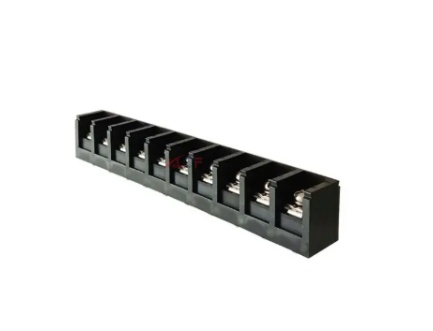
Barrier terminal blocks are widely used in various applications across different industries. Here are some of the most common uses:
Barrier terminal blocks are commonly used in power distribution systems to manage and distribute electrical power safely and efficiently. They are used in electrical panels and distribution boards to connect multiple circuits, ensuring that electricity is safely routed to different parts of the system.
In industrial automation systems, barrier terminal blocks play a crucial role in organizing and securing connections between control panels, sensors, actuators, and other electrical components. These blocks help ensure that the control system functions properly and that wires are safely connected.
Telecommunication systems rely on barrier terminal blocks to secure and organize the various wiring that connects phone lines, networking equipment, and other communication systems. These systems require a high level of organization to prevent interference and ensure optimal performance.
Barrier terminal blocks are also used in automotive and aerospace applications, where they are used to secure electrical connections in complex wiring systems. In these industries, safety and reliability are paramount, making barrier terminal blocks an ideal choice for managing electrical connections in harsh environments.
When selecting a barrier terminal block, there are several factors you need to consider:
Current and Voltage Ratings: Ensure that the terminal block is rated to handle the electrical load of your circuit.
Number of Connections: Choose a terminal block that can accommodate the number of wires you need to connect.
Size and Mounting Type: Consider the space available and how the terminal block will be mounted (e.g., DIN rail, panel mounting).
Material: Depending on the environment, you may need a terminal block made from materials that are resistant to corrosion, high temperatures, or chemicals.
Barrier terminal blocks are a vital component in electrical systems that require safe, organized, and reliable connections. With their ability to separate circuits, prevent short circuits, and ensure electrical safety, barrier terminal blocks are essential in many industries, including power distribution, industrial automation, and telecommunications.
At Dongguan Xinlian Chuangfu New Energy Technology Co., Ltd., we specialize in providing high-quality barrier terminal blocks and other electrical components that ensure the safety and efficiency of your electrical systems. Our products are designed to meet the highest standards of durability, reliability, and performance. If you’re looking for reliable electrical components for your next project, we invite you to get in touch with us. Let us help you ensure the success of your electrical installations with the best in the industry.


