
Views: 0 Author: Site Editor Publish Time: 2025-12-23 Origin: Site
When it comes to electrical wiring and connections, having the right components is crucial for ensuring safety, reliability, and efficiency. Terminal blocks and terminal strips are two commonly used components in electrical systems. Though both serve a similar purpose — providing a secure and organized method to connect wires — there are notable differences between the two that are important to understand for anyone working with electrical systems.
A terminal block is a type of electrical connector used to secure and organize multiple wires. These blocks are typically used to connect two or more wires together in a safe and secure manner. Terminal blocks are widely used in various industries such as automation, power distribution, telecommunications, and automotive, providing an efficient and organized way to make electrical connections.
Terminal blocks are composed of several key components:
Block Body: The main body of the terminal block is made from an insulating material, typically plastic, which helps prevent accidental shorts and provides electrical isolation.
Screws or Clamps: These are used to secure wires to the terminal block. The screws tighten the wire into place, ensuring a strong connection.
Conductive Strips or Contacts: These components conduct the electrical current from one wire to another. They are typically made from metals like copper or brass.
The modular design of terminal blocks allows for easy customization and flexibility. They can come in different sizes and configurations, depending on the specific application and the number of wires that need to be connected.
Screw Terminal Blocks: These blocks use screws to secure the wire in place. They are one of the most common types and are widely used in various industries.
Spring-loaded Terminal Blocks: These use a spring mechanism to hold the wire, which is convenient for faster installation and removal.
Barrier Terminal Blocks: These have partitions between each terminal, ensuring that the wires are separated and preventing accidental short circuits. Barrier terminal blocks are often used in high-voltage or high-current applications where safety is a top priority.
Power Distribution: Terminal blocks are commonly used in electrical panels for power distribution.
Control Panels: They are used to organize control circuits in automation systems.
Automotive: Terminal blocks are used to connect various electrical components in automotive systems.
A terminal strip is similar to a terminal block but typically refers to a strip of connectors used to make connections between multiple wires. While terminal blocks are often modular and designed for single-wire connections, terminal strips offer a more compact solution for connecting multiple wires in a row. These strips are commonly used when several connections need to be made in a confined space, such as in circuit boards, power supplies, or industrial machinery.
Terminal strips are highly useful when working with systems where several electrical connections must be made quickly and efficiently, especially in applications that require organized, secure connections across a range of components.
A typical terminal strip consists of a series of connectors that allow multiple wires to be connected in a row. These strips are designed to offer reliability, safety, and efficiency. Below are the main components of a terminal strip:
Insulating Base: Just like terminal blocks, terminal strips feature an insulating base that ensures electrical isolation between individual connections. This base prevents electrical shorts and protects against accidental contact with conductive materials, making it a safe and reliable option for wiring.
Screws or Clamps: Terminal strips use screws or clamps to secure wires in place. These fasteners are tightened to ensure that the wire makes solid contact with the conductive element within the terminal strip. The screw mechanism ensures a strong and permanent connection, especially for thicker or high-voltage wires.
Conductive Contacts: The conductive contacts are responsible for carrying the electrical current. Typically made from metals like copper or brass, these contacts ensure a reliable and stable electrical connection. These materials are chosen for their high conductivity and durability.
There are several types of terminal strips, each with unique features tailored to different electrical needs:
Screw Terminal Strips: These are the most common type of terminal strip. They use screws to hold the wires in place, ensuring a secure and permanent connection. Screw terminal strips are ideal for applications requiring a stable and reliable electrical connection over time.
Push-in Terminal Strips: These terminal strips use a spring-loaded mechanism to allow for quick insertion of wires without the need for screws. This type of strip is particularly useful when many connections need to be made in a short amount of time, such as in mass-production environments or installations requiring frequent wire connections and disconnections.
Barrier Terminal Strips: Similar to barrier terminal blocks, these strips have dividers that separate the different terminals, ensuring safety by preventing accidental short circuits. These dividers are particularly useful in high-voltage applications where individual wire separation is critical to ensuring proper insulation.
Terminal strips have a variety of applications in electrical systems due to their versatility and ease of use. Some common uses include:
Power Supply Connections: Terminal strips are frequently used to distribute power from a single source to multiple destinations. This is particularly important in electrical distribution systems where a central power supply needs to connect with various components.
Circuit Boards: In the assembly of circuit boards, terminal strips are used to facilitate multiple wire connections in one compact area. They help organize wires and ensure a clean and safe connection between different components on the board.
Electrical Panels: Terminal strips are also commonly found in electrical panels where they serve as a central point for connecting various electrical components. They allow for easier organization of wiring, simplifying maintenance and troubleshooting efforts. These strips are used in everything from residential electrical panels to industrial control panels.
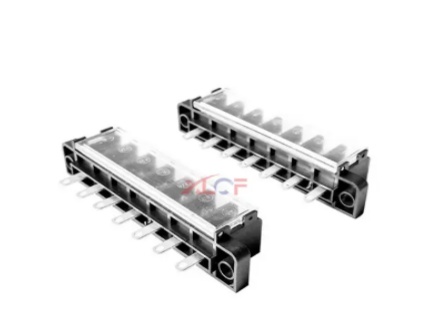
While terminal blocks and terminal strips serve similar functions, there are several key differences that make each better suited for specific applications.
Terminal Blocks: Terminal blocks are usually standalone connectors that can be mounted individually or in a series. They often have partitions, or barriers, between terminals, which makes them ideal for applications requiring more separation between wires for safety.
Terminal Strips: Terminal strips, on the other hand, consist of a continuous strip of connectors that allow for multiple wires to be connected in a single row. They are typically used in applications where space is limited and several connections need to be made in close proximity.
Terminal Blocks: Terminal blocks are often used for single wire connections, allowing for more flexibility when wiring complex electrical systems. They are designed for individual wire connections and often used for higher current or voltage applications.
Terminal Strips: Terminal strips are designed for multi-wire connections and are typically used when several wires need to be connected together in a linear or sequential fashion. Terminal strips are ideal for more compact, organized wiring.
Terminal Blocks: Due to their individual terminals and barrier designs, terminal blocks offer more safety and protection against accidental shorts and electrical faults. Barrier terminal blocks, in particular, are designed to separate the different terminals and prevent any cross-wiring, making them suitable for high-voltage or high-current applications.
Terminal Strips: While terminal strips provide secure connections, they are typically less protective compared to terminal blocks. In certain applications, terminal strips might require additional protection measures, such as enclosures or covers, to ensure safe operation.
Terminal Blocks: Terminal blocks offer more flexibility in installation, as they can be mounted individually or in rows, and come in various shapes and sizes. They are typically more versatile when it comes to complex wiring setups.
Terminal Strips: Terminal strips are easier and quicker to install in situations where you need to make multiple connections in a short amount of time. However, they are usually less flexible than terminal blocks in terms of customization.
Both terminal blocks and terminal strips are essential components in electrical wiring systems. While they serve similar functions in connecting wires securely and efficiently, the choice between the two depends on the specific needs of your project, such as the number of connections required, the voltage level, and the space available.
At Dongguan Xinlian Chuangfu New Energy Technology Co., Ltd., we specialize in providing high-quality terminal blocks and terminal strips to meet the diverse needs of our customers. Whether you’re working on power distribution, automation, or low-voltage applications, our products are designed to offer reliable and secure connections. If you're looking to optimize your wiring solutions, we invite you to contact us for more information on our range of products and services. Let us help you find the perfect solution for your electrical connection needs.


