
Views: 0 Author: Site Editor Publish Time: 2026-01-22 Origin: Site
In the world of electrical systems and wiring, choosing the right terminal block is crucial for ensuring safe, efficient, and reliable connections. Among the many types of terminal blocks available, Pluggable Terminal Blocks and Fixed Terminal Blocks are two of the most common options. Both offer distinct advantages depending on the specific requirements of the application. In this article, we will delve deep into the differences between these two types of terminal blocks, helping you understand which one is better suited for your needs.
A Pluggable Terminal Block is a modular electrical connection system that allows quick and easy assembly, disassembly, and reconfiguration. It consists of two main parts: the plug (which attaches to the wires) and the socket (which attaches to the printed circuit board or another electrical component). The plug and socket are designed to fit together easily, allowing for easy connection and disconnection of wires without the need for tools.
Pluggable terminal blocks are commonly used in systems that require frequent adjustments, such as industrial control systems, automation equipment, and electrical panels.
Pluggable terminal blocks are designed for easy maintenance. They are typically made of high-quality materials like copper or brass for excellent conductivity and long-lasting durability. These blocks are designed to handle high currents and voltages and can be easily integrated into various systems.
The design of a pluggable terminal block is modular, which means that the terminals can be added or removed as needed. This modularity provides a flexible solution for connecting wires, especially in environments where changes and upgrades are frequent.
Ease of Installation: Pluggable terminal blocks offer faster installation and assembly, especially in complex wiring systems.
Flexibility: They allow for easy maintenance, as components can be disconnected and replaced quickly without the need to disconnect the entire system.
Safety: The plug-and-socket design ensures that there are no exposed conductive parts when the terminal block is disconnected, reducing the risk of electrical accidents.
Space Efficiency: Due to their modular design, pluggable terminal blocks save space in electrical panels and wiring setups.
A Fixed Terminal Block is a type of terminal block where the wires are connected to the block using screws, and the connection is permanent until manually disconnected. Unlike pluggable terminal blocks, fixed terminal blocks are not designed for frequent disconnection. They are typically used in situations where the wiring needs to stay in place for long periods without maintenance or adjustment.
These blocks are often used in systems where stability and long-term performance are essential, such as power distribution panels and permanent installations.
Fixed terminal blocks are typically simpler in design than pluggable terminal blocks. The structure is built around a fixed metal housing that holds the terminal screws, which secure the wires in place. The terminal block is often mounted directly to the equipment or a backplane, providing a solid and permanent connection.
Stability: Once installed, fixed terminal blocks provide a stable and secure connection that does not require further adjustment or maintenance.
Lower Cost: Fixed terminal blocks are generally less expensive than pluggable terminal blocks, making them an ideal choice for budget-conscious projects.
High Durability: These blocks are designed for long-term use and can handle heavy-duty applications where constant disconnections are not required.
Simplicity: Fixed terminal blocks have a simpler structure, making them easy to use in straightforward wiring setups.
Feature | Pluggable Terminal Block | Fixed Terminal Block |
Connection Type | Plug-and-socket connection that allows quick disconnection and reconnection. | Permanent connection with screw terminals that are fixed. |
Maintenance | Easy to replace or disconnect for maintenance or upgrades. | Requires disconnection and re-wiring for maintenance. |
Pluggable terminal blocks offer a quick connection system that can be disconnected and reconnected, making them ideal for applications that require frequent adjustments or maintenance. In contrast, fixed terminal blocks provide a permanent, stable connection that is more suited to long-term installations where no frequent maintenance is needed.
Pluggable Terminal Blocks: Their design allows for quick installation and removal, making them ideal for projects that require rapid setup or adjustments. They significantly reduce downtime during maintenance since no rewiring is necessary. This feature is especially beneficial in environments like industrial automation systems, where downtime can lead to significant losses.
Fixed Terminal Blocks: These blocks, while slightly more time-consuming to install due to the need for tools, are more stable once installed. They require minimal ongoing maintenance but can be challenging to modify once they are installed.
Feature | Pluggable Terminal Block | Fixed Terminal Block |
Vibration Resistance | Designed with anti-vibration features to ensure stable connections even in high-vibration environments. | Typically more rigid and stable, but not as resistant to vibrations. |
Durability | High durability but designed for environments with frequent changes and adjustments. | Extremely durable and designed for long-term, stable use. |
Pluggable terminal blocks tend to have higher resistance to vibrations due to their modular design, which is advantageous in high-vibration environments such as factories or industrial machinery. Fixed terminal blocks, on the other hand, are usually more rigid but might not offer the same level of flexibility for environments where frequent changes occur.
Feature | Pluggable Terminal Block | Fixed Terminal Block |
Initial Cost | Typically more expensive due to the modular design and ease of use. | Generally less expensive, making them a budget-friendly option. |
Long-Term Cost | Can lead to cost savings in maintenance and repairs, as they are easier to replace and modify. | Higher maintenance costs due to the difficulty of replacement and modification. |
Although pluggable terminal blocks are more expensive upfront, they can save money in the long run due to their ease of maintenance, replacement, and modification. Fixed terminal blocks have a lower initial cost but can incur higher maintenance costs if adjustments are needed over time.
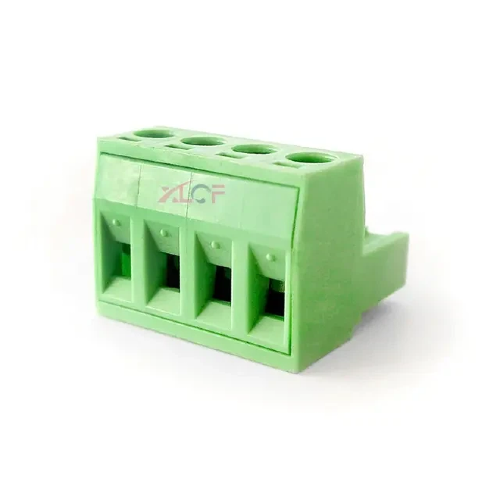
Frequent Changes and Modifications: If your project requires frequent wiring changes or system upgrades, pluggable terminal blocks are the better choice. These blocks allow for easy disconnection and reconnection, saving both time and money in maintenance.
Complex Systems with High Maintenance Needs: For systems like industrial automation, communication equipment, or testing setups, pluggable terminal blocks make maintenance and troubleshooting easier and more efficient.
Long-Term, Stable Installations: If your application involves systems that do not require frequent changes, such as power distribution panels or high-voltage applications, fixed terminal blocks are ideal. They offer a secure and stable connection for long-term use.
Budget-Conscious Projects: Fixed terminal blocks are more affordable upfront, making them suitable for applications where cost is a primary concern and long-term maintenance is less of an issue.
Both Pluggable Terminal Blocks and Fixed Terminal Blocks offer distinct advantages, depending on the specific requirements of your project. Pluggable Terminal Blocks are ideal for environments where flexibility, quick maintenance, and the ability to make frequent changes are essential. These blocks allow for easy modifications and upgrades, ensuring efficiency and reducing downtime. On the other hand, Fixed Terminal Blocks are more suitable for applications that demand stability, long-term reliability, and minimal maintenance. These are perfect for systems that require secure, permanent connections and where minimal changes are needed over time.
Understanding the key differences between these two terminal types will help you make a more informed decision about which is best suited to your application. If you're looking for high-quality terminal blocks tailored to your needs, we invite you to explore the range of solutions offered by Dongguan Xinlian Chuangfu New Energy Technology Co., Ltd.. Our expertise and commitment to excellence ensure that you receive the most reliable and efficient electrical connection solutions. Feel free to contact us for further assistance or to discuss your specific requirements.
Q1: What is the main advantage of using pluggable terminal blocks?
A1: The main advantage of pluggable terminal blocks is their modular design, which allows for quick and easy disconnection and reconnection of wires, making them ideal for environments that require frequent changes or maintenance.
Q2: Are fixed terminal blocks more reliable than pluggable ones?
A2: Fixed terminal blocks offer more stability once installed and are ideal for long-term, permanent installations. However, pluggable terminal blocks are more reliable in terms of flexibility and ease of maintenance.
Q3: Can pluggable terminal blocks be used in high-vibration environments?
A3: Yes, pluggable terminal blocks are designed with anti-vibration features, making them suitable for high-vibration environments such as industrial machinery or automotive applications.
Q4: How do the costs of pluggable terminal blocks compare to fixed terminal blocks?
A4: Pluggable terminal blocks are typically more expensive upfront due to their modular design, but they can save money in the long term by reducing maintenance and replacement costs. Fixed terminal blocks have a lower initial cost but may incur higher long-term maintenance expenses.
Q5: Can pluggable terminal blocks handle high current and voltage applications?
A5: Yes, pluggable terminal blocks are available in versions that can handle high current and voltage applications, making them suitable for a wide range of industrial and electrical systems.


