
Views: 0 Author: Site Editor Publish Time: 2025-12-16 Origin: Site
Barrier terminal blocks are essential components in electrical systems, providing a secure, organized way to connect and isolate various conductors. These terminal blocks are widely used in industrial settings, control panels, automation systems, and more. Installing barrier terminal blocks correctly is crucial for ensuring a safe, efficient, and reliable electrical connection. Whether you're an experienced electrician or a beginner, following the right steps and using the proper safety measures during installation is vital.
Before diving into the installation process, it’s important to understand what barrier terminal blocks are and how they function. Barrier terminal blocks are electrical components designed to connect several electrical circuits, typically within a control panel or junction box. They provide a physical barrier between different conductors, which helps to prevent short circuits and provides a safer means of wiring.
They are especially useful in applications where:
Multiple wires need to be connected and organized.
There is a need to isolate specific circuits for safety or operational reasons.
Quick and easy maintenance of connections is required.
These terminal blocks come in various sizes and configurations, and they can handle different wire gauges and current ratings, making them versatile in numerous electrical applications.
Before you begin the installation of a barrier terminal block, it’s crucial to gather all the necessary tools and materials. Adequate preparation not only makes the installation process smoother but also ensures safety and quality in the final result. Here's a comprehensive list of tools and materials you’ll need:
Tools Required:
Screwdrivers (both flathead and Phillips)
You will need both flathead and Phillips screwdrivers to tighten or loosen the screws on the barrier terminal block. The type of screwdriver will depend on the screw heads used in your terminal block. Make sure that the screwdrivers are in good condition and fit the screw heads properly to prevent stripping.
Wire Stripper
A wire stripper is essential for safely removing the insulation from the wires without damaging the conductive part of the wire. Use the correct gauge setting on the wire stripper to ensure you only remove the necessary amount of insulation (typically about 1/2 inch or 12 mm). This step is critical for ensuring a proper electrical connection.
Wire Cutter
You’ll need a wire cutter to cut the wires to the required length. Ensure that the cutters are sharp and provide a clean, precise cut. A clean cut prevents frayed ends, which can lead to poor connections or even cause shorts if wires touch each other incorrectly.
Torque Wrench
A torque wrench is an optional but valuable tool for ensuring that screws are tightened to the correct torque. Using the correct torque is important because both over-tightening and under-tightening the screws can lead to poor connections, damage to the terminal block, or even wire breakage. Always follow the manufacturer’s specifications for the appropriate torque.
Insulation Tape or Heat Shrink Tubing (Optional)
While not always required, insulation tape or heat shrink tubing can be useful for added safety and insulation. If you're working in an environment where additional insulation is needed, wrapping exposed wire ends with tape or using heat shrink tubing can provide extra protection against short circuits or electrical hazards.
Barrier Terminal Block
The most essential material is the barrier terminal block itself. Ensure that the block is of the correct size, configuration, and rating for your application. Barrier terminal blocks come in various types, such as single-row or multi-row, and can handle different voltage and current ratings.
Wires
Choose wires that match the voltage and current specifications of the circuit. The wire gauge (thickness) is a crucial consideration, as the wrong size wire can lead to overheating or damage. Ensure that you have enough wire length to comfortably reach the terminal block from the source and the load without excessive slack. It’s always better to have a little extra length than to cut it too short.
Labels or Marker Pens (Optional)
Using labels or a marker pen can help you organize and identify the connections. Labeling the wires can prevent mistakes during installation or maintenance. For example, marking wires as neutral, live, or ground can save time when troubleshooting or modifying the setup in the future.
This is the most important step in any electrical installation: safety first. Always turn off the power supply to the circuit where you’re installing the barrier terminal block. Failing to do so can lead to electric shocks, short circuits, or even fires.
Verify the power is off by using a voltage tester on the wires or terminals you’ll be working with. This ensures that no live current is flowing through the circuit.
Proper wire preparation is essential for a secure and reliable connection. Incorrectly prepared wires can lead to poor electrical contact, which can cause overheating or failure.
Cut the wires to the required length. Make sure the wires are long enough to reach from one terminal to another but not too long, as excess wire can create clutter or short circuits.
Strip the insulation from the ends of the wires. Use a wire stripper to remove about 1/2 inch (12 mm) of insulation from each wire end. Be careful not to damage the wire strands. The exposed wire should be clean and free of nicks or burrs.
Twist the wire strands (if using stranded wire) to ensure they stay together when inserted into the terminal block. This prevents loose strands that could cause poor connections or short circuits.
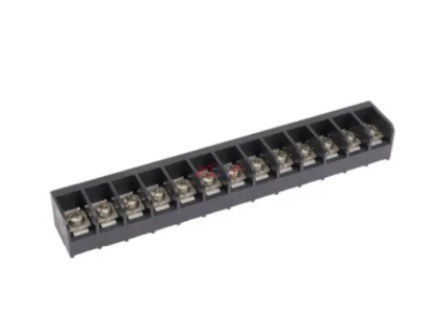
Now that the wires are prepared, it’s time to mount the barrier terminal block.
Position the terminal block in the desired location within your electrical panel or junction box. It should be positioned securely so that there is enough room for easy access to the terminals, as well as the proper clearance to avoid any short circuits.
Secure the terminal block using screws or mounting brackets, depending on the type of block you are using. Tighten the screws with a screwdriver to ensure the block is stable, but be cautious not to overtighten, as this can strip the threads or damage the block.
With the barrier terminal block securely mounted, the next step is to connect the prepared wires.
Insert the wire into the appropriate terminal. Most barrier terminal blocks have a simple screw mechanism where the wire is inserted into the metal clamp or terminal. Ensure that the exposed wire is fully inserted into the terminal to ensure a solid connection.
Tighten the screw using a screwdriver. Be sure to tighten the screw firmly but not excessively. If you have a torque wrench, refer to the manufacturer’s specifications for the correct torque to apply. An improperly tightened screw can lead to poor connections, while an overtightened screw can damage the terminal block or wire.
Check for tightness: Once the wires are inserted and screws tightened, give the wire a gentle tug to ensure the connection is secure. If the wire moves, the screw may need to be tightened further.
Labeling the wires and terminals can be helpful for future reference or maintenance. You can use labels or markers to identify each wire’s function (e.g., neutral, ground, live). This step is optional but highly recommended, especially if the terminal block will be used for a complex system with multiple connections.
After all wires are connected and secured, it’s important to double-check the installation:
Inspect the wiring to ensure there are no exposed wires or loose connections. If any part of the wire is outside the terminal block, it could cause a short circuit or other issues.
Ensure the terminal block is properly grounded (if required). Depending on the configuration of the block, it may need to be grounded to ensure safety.
Test the system by turning the power supply back on and using a voltage tester to confirm the connections are correct and functioning properly. Verify that all connections are live and no wires are heating up.
Once the terminal block is securely connected and tested, it’s time to finalize the installation.
Close the electrical panel or junction box and ensure all components are properly housed and protected from accidental contact.
Monitor the system after the installation to ensure everything is functioning properly. If there are any signs of overheating, sparking, or unusual behavior, turn off the power and inspect the connections again.
Installing barrier terminal blocks is a straightforward process, but it requires attention to detail and adherence to safety guidelines. By following this step-by-step guide, you can ensure that your installation is secure, reliable, and compliant with electrical standards.
Barrier terminal blocks are essential for organizing and securing electrical connections, especially in industrial applications. Whether you're working with control panels, automation systems, or complex wiring configurations, barrier terminal blocks help simplify maintenance and ensure safe operation.
At Dongguan Xinlian Chuangfu New Energy Technology Co., Ltd., we specialize in providing high-quality electrical components, including barrier terminal blocks, for a wide range of applications. If you're looking for reliable and durable terminal blocks for your next project, we invite you to get in touch with us to learn more about our products and services. Let us help you make your electrical installations safer, more organized, and more efficient.


